
We are based in Devon, but most of our clients are not. An American client might be planning a house on a plot in Florida. A family in Ontario might be building on land they have owned for years. In every case, the site is exactly where they are, not where we are. We are the ones working at a distance, translating drawings made in a Devon studio into a house that has to work in a climate, light, and landscape we may never have stood in ourselves. That used to be the biggest obstacle to good remote architecture. A plan reads as a diagram, not a place, especially when the person drawing it has only seen the site through photographs and satellite images. This is where CGI visualisation has stopped being a marketing extra and become part of how the design itself gets made.
Why Distance Changes the Design Conversation
When an architect can visit a site regularly, a lot of understanding happens informally: watching how light moves across the plot through the day, standing in the wind, getting a feel for the neighbouring buildings and the local material palette. Working remotely, we don’t get that slow accumulation of firsthand knowledge. We get site photographs, survey drawings, planning documents, and conversations with a client who knows the plot far better than we ever will from a screen in Devon. That puts pressure on every image we produce to do more translation work than a local architect’s would. A floor plan that a client can read intuitively, because they know exactly how their land sits and how the sun moves across it, does not tell us enough on its own. CGI closes that gap from our side. It lets us test our understanding of a site back to the client, showing them the light, the proportions, and the material choices before either of us has to guess.
From Technical Drawing to Lived Space
A section drawing tells you a ceiling is 2.7 metres high. A well-made render lets a client, standing in a house on their own land, believe it. This is the real value of visualisation when the design team is the one working remotely, and it’s why we treat it as a design tool rather than a presentation tool. We use CGI early, often before a scheme is finished, so it can influence decisions rather than just illustrate them after the fact. Seeing a kitchen island rendered at the proposed dimensions, with light entering through a specified window at a specific time of year in their specific climate, tells a client things a plan cannot. It also surfaces problems early, for us as much as for them. A covered terrace that looks generous on paper in Devon can read differently once you picture it under Floridian sun rather than English rain, and it’s far cheaper to catch that on screen than on site.
Getting the Texture Right, Not Just the Shape
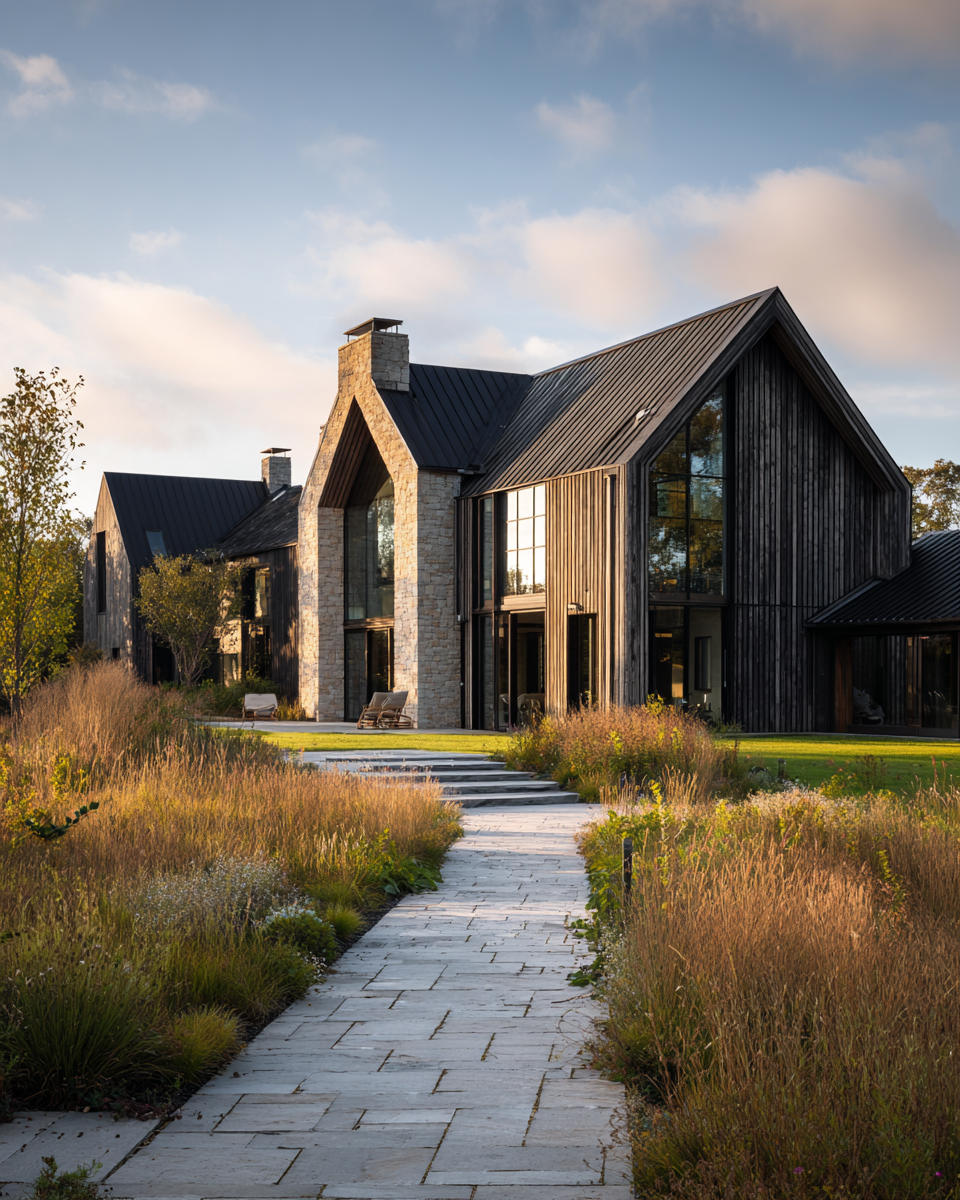
The best current visualisation work has moved away from the glossy, showroom look that used to define architectural renders. Clients respond far more strongly to images that feel lived in, with real material texture, natural imperfection, and daylight that behaves the way daylight actually behaves in their part of the world. This matters even more when we are the ones without direct experience of a site’s climate. Timber that reads as timber rather than a flat brown texture, stone that shows genuine grain, glazing that reflects a sky that actually looks like the sky above their land, all of it builds trust in the image and, by extension, trust in a design team working from another country. We spend real time getting these details right because a client evaluating their own home, on their own site, needs the image to hold up to scrutiny, not just look pleasant at a glance.
Walkthroughs as Decision-Making Tools
Static images answer some questions. Moving through a space answers others. Interactive walkthroughs, where a client can move a viewpoint through the proposed house rather than looking at a fixed render, have become a genuinely useful part of working across a distance. They let a client check a sightline from the sofa to their own garden, or confirm that a stair doesn’t dominate an entrance hall, without needing us to fly out for a site meeting. For clients making decisions across time zones, often reviewing material between their own work commitments, an interactive model they can return to on their own schedule is far more useful than a single call with us talking them through a screen share from Devon.
Building Trust Across a Distance
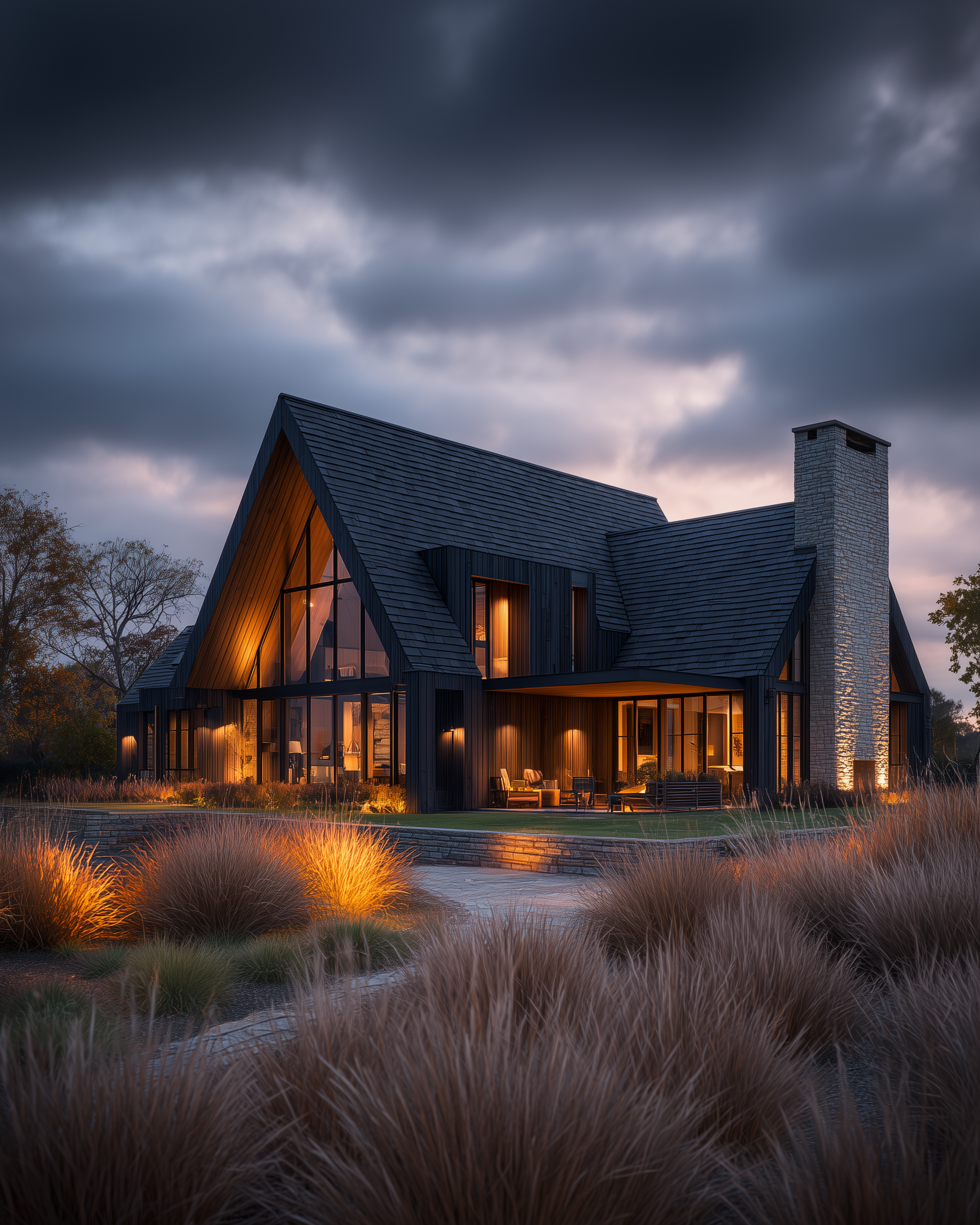
None of this replaces good architecture. Visualisation is only as convincing as the design underneath it, and no amount of rendering polish will fix a poorly resolved plan. But when the design studio is the party working remotely, not the client, visualisation is what turns our understanding of a site into something the client can actually verify. They are the ones who know their land. Our job is to prove, image by image, that we understand it too. That’s the real function of CGI in a practice like ours. Not decoration, but distance, closed.
Free Download
Get the Pre-Design Checklist before you speak to an architect.
10 pages of structured thinking — site analysis, lifestyle audit, brief-building, and budget reality checks. Free to download.
Get the Free Checklist →